Services
Understanding the Procedure
Wisdom teeth, or third molars, are the final set of teeth to emerge, typically arriving between the ages of 17 and 25. For many people, jaws simply aren't large enough to accommodate these extra molars comfortably, which means wisdom teeth frequently grow in at odd angles, become trapped beneath the gumline, or only partially break through. When this happens, the result is often pain, swelling, infection, and pressure on neighboring teeth that can compromise your entire bite over time.
At Drewyer Dentistry Burtonsville, wisdom teeth removal is a carefully planned surgical procedure designed to eliminate these risks before they escalate into more serious dental emergencies. Using detailed digital imaging, our team evaluates the exact position, angle, and root structure of each wisdom tooth so we can recommend the safest, most comfortable extraction approach for your unique anatomy. Whether your wisdom teeth are fully erupted, impacted, or somewhere in between, we tailor every step of treatment - from anesthesia to aftercare - around your comfort and long-term oral health.
Warning Signs
Impacted or problematic wisdom teeth don't always announce themselves immediately, but there are clear warning signs that patients should never ignore. Recognizing these symptoms early allows us to intervene before an infection spreads, before adjacent teeth are damaged, or before pain becomes unmanageable. If any of the following sound familiar, it's time to schedule an evaluation.
Is This Procedure Right for You?
Not every wisdom tooth needs to come out, but the majority eventually do - either preventatively or in response to active symptoms. Determining candidacy requires a thorough clinical exam paired with digital X-rays that reveal the tooth's exact position relative to nerves, sinuses, and neighboring roots. Our team walks through your history, your imaging, and your goals together before recommending extraction, so you always understand exactly why a particular course of treatment is right for you.
Comfort & Sedation Options
Every wisdom tooth extraction is different, and the technique we recommend depends heavily on how erupted the tooth is, its angle, and its proximity to nerves. We combine precise surgical skill with a menu of comfort options so you can choose the level of sedation that fits your anxiety level, medical history, and the complexity of your case.
Healing & Home Care
Most patients heal from wisdom teeth removal within a week to ten days, with the most noticeable swelling and discomfort concentrated in the first 48 to 72 hours. We send every patient home with detailed written instructions, our direct phone line for questions, and a personalized aftercare plan based on how many teeth were removed and whether the extraction was simple or surgical. Following these guidelines closely is the single biggest factor in a smooth, complication-free recovery.
Your Visit, Step by Step
We begin with a detailed exam and digital X-rays to map out the exact position, angle, and root structure of each wisdom tooth before recommending a treatment plan.
Together we decide on local anesthesia, nitrous oxide, or oral/IV sedation based on your anxiety level, medical history, and how complex the extraction will be.
Once you're comfortable and numb, we carefully remove each wisdom tooth using the least invasive technique appropriate, minimizing trauma to surrounding tissue.
We place gauze to support clot formation, review your personalized aftercare instructions in detail, and make sure you have everything needed for a comfortable ride home.
Over the following days, you'll manage swelling with cold compresses, eat soft foods, and follow our guidance closely to support fast, complication-free healing.
We schedule a follow-up visit to confirm proper healing, remove any sutures if needed, and answer any lingering questions about your recovery.
The Drewyer Difference
Wisdom teeth removal is one of the more delicate procedures in general dentistry, and the practice you choose matters. Our team brings a rare combination of surgical precision, genuine warmth, and clear communication to every extraction, so you always know what to expect and feel supported at every step - from the first imaging appointment through your final follow-up.
Common Questions
Most dentists, including our team, recommend evaluating wisdom teeth between ages 16 and 25. At this stage, roots are typically less developed, making extraction simpler and recovery faster if removal is needed. Early evaluation with X-rays also lets us monitor development even if extraction isn't immediately necessary.
It depends on the sedation option you choose. Many patients opt for local anesthesia alone and remain awake but numb throughout. Others prefer nitrous oxide for added relaxation, while more complex or multi-tooth extractions often use oral or IV sedation, which keeps you comfortably relaxed with little to no memory of the procedure.
Most patients feel significantly better within three to five days, with full healing of the gum tissue taking one to two weeks. Simple extractions generally heal faster than surgical extractions of impacted teeth. Following our aftercare instructions closely is the best way to shorten and smooth your recovery.
Dry socket occurs when the protective blood clot at the extraction site is dislodged before healing, exposing bone and nerve endings to painful sensitivity. You can avoid it by not smoking, avoiding straws, skipping vigorous rinsing or spitting, and following all aftercare instructions during the first 72 hours after surgery.
Not always. Some patients only need one or two problematic wisdom teeth removed, while others benefit from removing all four in a single visit to minimize total recovery time and avoid multiple procedures. We'll review your imaging and symptoms together to recommend the approach that makes the most sense for you.
Many dental insurance plans provide partial or full coverage for medically necessary wisdom teeth extractions, especially when there is documented impaction, infection, or crowding. Our team will help verify your benefits ahead of time and discuss any financing options available so costs are clear before treatment begins.
Real Results
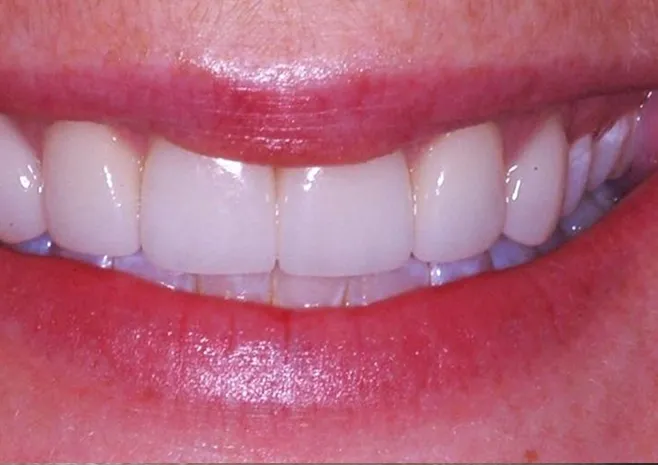
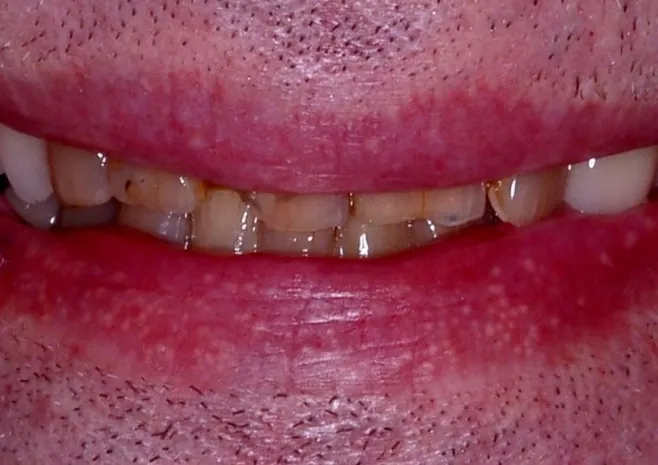
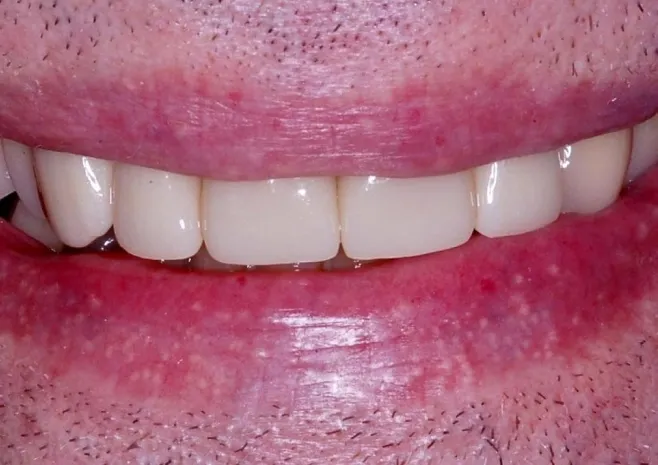
See how implants, whitening, and same-day crowns have restored confidence for patients in Burtonsville. Results vary; we will show you what is realistic for your smile during a consultation.
See More Smiles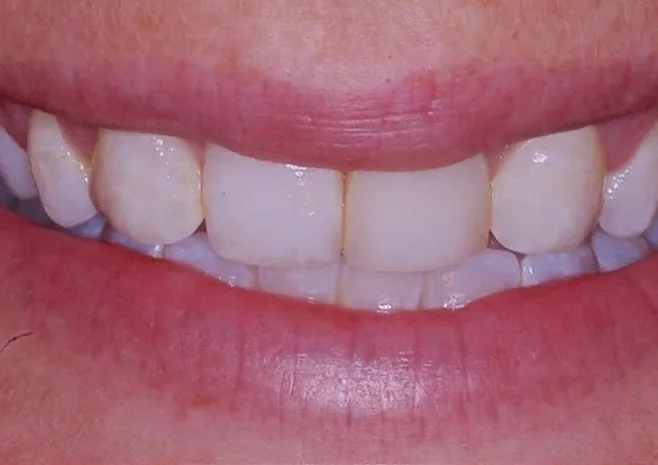 Before
 After
After
 Before
 After
After
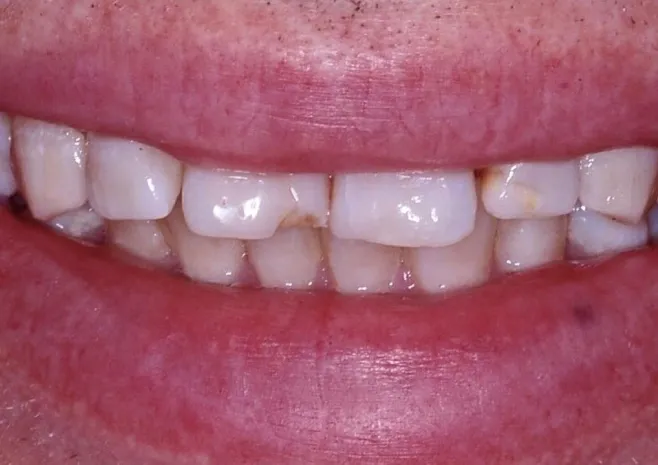 Before
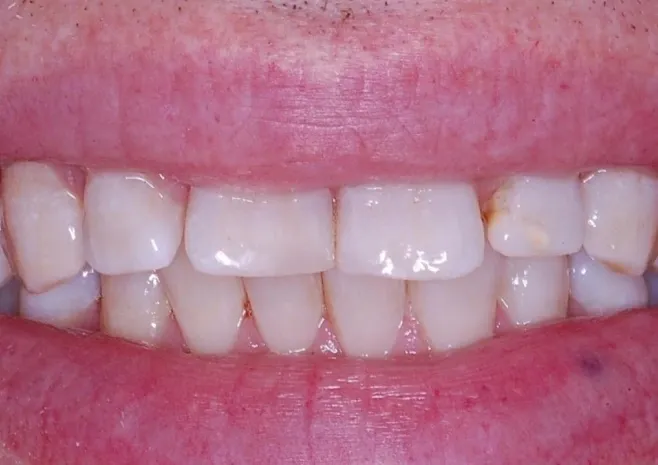 After
After
 4009 Sandy Spring Road, Suite 201, Burtonsville, MD 20866

 301-622-1717