Services
What Are Dental Sealants?
Your back teeth - the molars and premolars you rely on for chewing - are covered in deep pits, fissures, and grooves. These natural crevices are wonderfully efficient at grinding food, but they're also nearly impossible to clean thoroughly with a toothbrush, especially for children and teens who are still mastering their brushing technique. Food particles, sugars, and bacteria settle into these tiny canyons and begin the decay process, often before a family ever notices a problem.
Dental sealants solve this problem directly. A dental sealant is a thin, tooth-colored (or clear) resin coating that our team paints onto the chewing surfaces of the molars and premolars. Once cured with a special curing light, it bonds tightly into every groove and pit, creating a smooth, easy-to-clean barrier that physically blocks food debris and bacteria from settling into the vulnerable areas of the tooth. As part of our general dentistry philosophy at Drewyer Dentistry Burtonsville, sealants represent one of the most cost-effective, evidence-backed ways to prevent cavities before they ever start - protecting the investment you're already making in regular cleanings, exams, and good home care.
While sealants are most commonly discussed as a pediatric treatment, the truth is that decay-prone grooves don't disappear with age. During your exam, our team evaluates the depth and shape of each molar's fissures, your cavity history, and your current oral hygiene habits to determine whether sealants make sense for you or your child right now. Certain signs make the case for sealants especially strong.
Dental sealants are appropriate for a much broader range of patients than most people realize. While the American Dental Association highlights children and adolescents as a primary group - since permanent molars erupt during the years when brushing habits are still developing - many adults are excellent candidates too, particularly if their molars have never been sealed or filled and show deep anatomical grooves. During your visit, we'll examine each tooth individually rather than applying a blanket recommendation, because candidacy really does come down to the specific shape and condition of each tooth surface.
The value of dental sealants extends far beyond a single office visit. This is one of the rare dental treatments where a small, proactive investment can prevent years of more invasive - and more expensive - restorative work down the road. Research consistently shows that sealants can reduce the risk of decay in treated molars by a significant margin for several years after application, making this a genuinely high-return preventive step for patients of every age.
One of the reasons families love dental sealants is how little changes afterward - there's no special diet, no recovery downtime, and no adjustment period. That said, a few simple habits help sealants last as long as possible and let us catch any wear early, before it becomes a problem.
How It Works
We examine each molar's grooves closely, review your cavity history, and confirm which teeth will benefit most from sealant coverage before moving forward.
Each tooth is thoroughly cleaned and dried, and a mild etching solution is applied briefly to help the sealant material bond securely to the enamel surface.
The liquid sealant is carefully painted into every pit and groove of the chewing surface, flowing to fill even the narrowest crevices completely.
A specialized curing light hardens the sealant in seconds, transforming it from a liquid coating into a durable, bonded protective layer.
We check your bite to ensure the sealant sits comfortably against the opposing tooth, making tiny adjustments if needed so nothing feels high or uneven.
There's no downtime - you or your child can eat, drink, and go about the rest of the day immediately, sealant fully set and protecting from the very first bite.
Why Drewyer Dentistry Burtonsville
As a general dentistry practice, we see firsthand how much easier - and less stressful - dental visits become when small, preventive steps like sealants are prioritized early. Our approach to sealants reflects the same philosophy we bring to every appointment: gentle, thorough, and genuinely focused on protecting your family's long-term oral health.
Frequently Asked Questions
Most children benefit from sealants soon after their first permanent molars erupt, typically around age 6, and again when the second permanent molars come in around age 12. That said, timing can vary, and we'll evaluate each child's specific tooth development to recommend the ideal moment.
Not at all. While sealants are widely used for children and teens, adults with deep grooves in their molars and no history of decay in those specific teeth can also benefit significantly. We evaluate candidacy tooth by tooth rather than by age alone.
With good oral hygiene and regular check-ups, sealants often last several years before needing a touch-up. We inspect every sealant at your routine cleanings and reapply or repair them as needed to keep protection consistent.
No. Applying a sealant is completely painless and doesn't require any drilling, anesthesia, or numbing. It simply involves cleaning the tooth, painting on the liquid sealant, and curing it with a light - the whole process typically takes just a few minutes per tooth.
No - sealants protect the chewing surfaces of molars, but the sides of teeth and gumline still need daily brushing and flossing. Sealants work best as one part of a complete preventive routine, not a replacement for it.
Many dental insurance plans cover sealants, particularly for children, as a recognized preventive treatment. Our team is happy to review your specific benefits and provide a clear cost estimate before your appointment.
Real Results
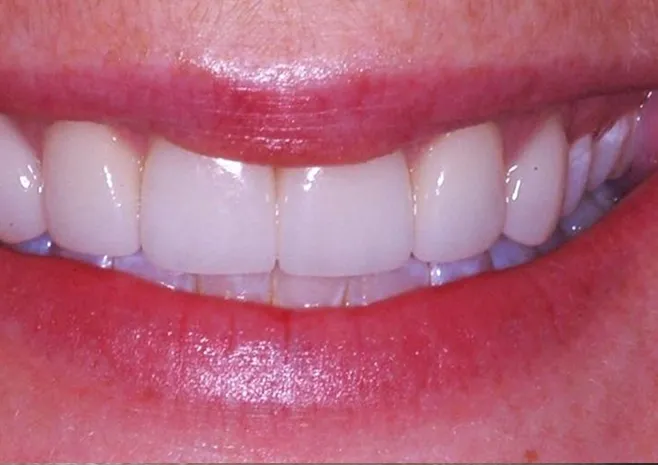
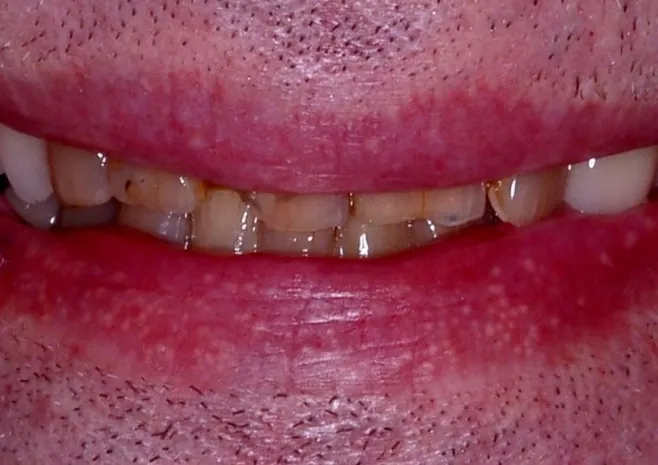
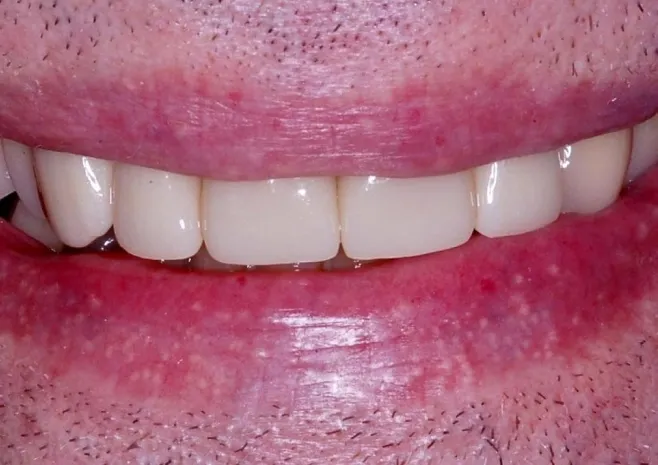
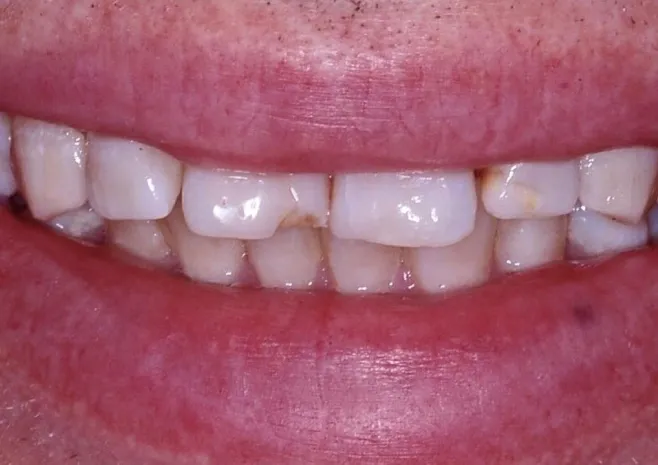
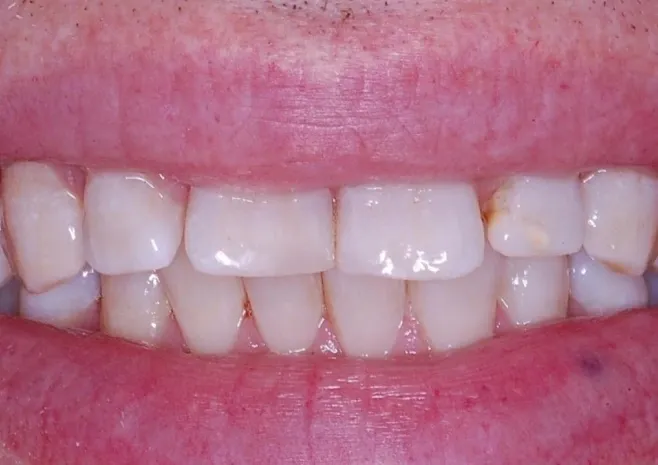
See how implants, whitening, and same-day crowns have restored confidence for patients in Burtonsville. Results vary; we will show you what is realistic for your smile during a consultation.
See More Smiles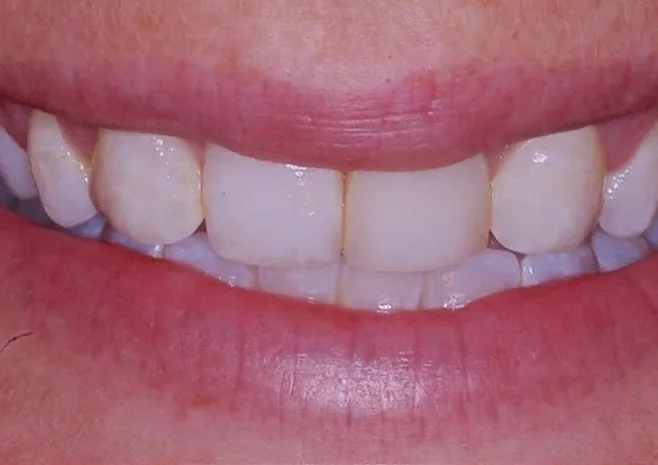 Before
 After
After
 Before
 After
After
 Before
 After
After
 4009 Sandy Spring Road, Suite 201, Burtonsville, MD 20866

 301-622-1717