Services
Understanding Restorative Care
Restorative dentistry is the branch of dental care dedicated to repairing teeth that have been damaged by decay, fracture, wear, or loss. Where preventive care aims to stop problems before they start, restorative dentistry steps in once a tooth has already been compromised - rebuilding its strength, shape, and function so it can once again handle everyday chewing, speaking, and smiling without pain or hesitation. At Drewyer Dentistry Burtonsville, restorative treatment is never approached as a one-size-fits-all fix; every filling, crown, bridge, or restoration is planned around your specific bite, your remaining tooth structure, and your long-term oral health goals.
Left untreated, small issues like a cavity or a hairline crack rarely stay small. Decay spreads beneath the enamel, cracks widen under everyday bite pressure, and missing teeth allow neighboring teeth to shift and drift. That's why restorative dentistry matters far beyond cosmetics - it protects the structural integrity of your entire mouth, prevents more invasive and costly procedures down the road, and preserves your ability to eat the foods you love comfortably. Whether you need a single tooth-colored filling or a more comprehensive rebuild involving several teeth, our goal is always to restore function first, then refine aesthetics so your results look and feel completely natural.
Warning Signs
Dental damage doesn't always announce itself with obvious pain. Many patients live with early-stage decay or minor fractures for months without realizing treatment is needed, only to discover a much larger problem at a later exam. Recognizing these early warning signs can help you seek care before a simple filling turns into a root canal or extraction.
Personalized Evaluation
Nearly every patient will need some form of restorative care at some point in their life - decay, wear, and injury are simply part of having natural teeth. What differs from person to person is which restorative approach fits best. During your evaluation at Drewyer Dentistry Burtonsville, we take digital X-rays, examine your bite, and assess the remaining healthy structure of each affected tooth to determine the most conservative, long-lasting option for you.
Materials & Methods
Not every damaged tooth needs the same solution. We select from a full range of restorative techniques and materials, always weighing durability, appearance, and the amount of healthy tooth structure we can preserve. Every option below is discussed openly with you, including cost and expected lifespan, so you can make a confident, informed decision about your care.
Why It's Worth It
Restoring a damaged tooth does far more than eliminate pain in the moment - it protects your long-term oral and overall health. Untreated decay and missing teeth are linked to bone loss, bite misalignment, gum disease, and even difficulty eating a balanced diet. Investing in restorative care now consistently saves patients from more complex, expensive treatment later.
Your Treatment Journey
We start with a thorough exam and digital X-rays to pinpoint the exact extent of decay or damage and check for issues that aren't visible to the naked eye.
We walk you through the most conservative, effective options for your specific tooth - including materials, timeline, and cost - so there are no surprises.
Local anesthetic is applied gently and precisely so the treatment area is fully numb before any preparation begins, keeping the entire visit comfortable.
Decayed or fractured tissue is carefully removed, preserving as much healthy tooth structure as possible before shaping the site for the restoration.
Whether it's a bonded filling placed same-day or a custom crown fitted at a follow-up visit, the restoration is shaped and polished to match your natural bite perfectly.
We verify your bite feels even and comfortable, then send you home with simple care instructions to protect your new restoration for years to come.
Aftercare Guidance
With proper care, most restorations last many years, and some - like dental implants - can last a lifetime. Following a few simple habits after your appointment helps your new filling, crown, or bridge settle in comfortably and stay strong for the long haul.
The Drewyer Difference
Restorative dentistry decisions can feel overwhelming, especially when several teeth need attention at once. Our Burtonsville team focuses on clear communication, conservative treatment planning, and craftsmanship that holds up under everyday use, so every restoration we place is one you can trust for years.
Common Questions
The right restoration depends on how much healthy tooth structure remains. Small to moderate cavities are usually treated with a bonded filling, while teeth with extensive decay, large cracks, or that have had a root canal typically need the added strength and coverage of a crown. We'll always show you your X-rays and explain exactly why a particular option is recommended.
Most restorative procedures, including fillings, crowns, and even root canals, are performed comfortably with local anesthetic. Patients often report that these visits are far less uncomfortable than the toothache or sensitivity that brought them in. Any mild soreness afterward typically resolves within a day or two.
Composite fillings generally last 7 to 10 years, crowns can last 10 to 15 years or longer, and bridges typically last 10 years or more with good care. Lifespan depends heavily on your oral hygiene, diet, and whether you grind or clench your teeth, which is why we always discuss protective measures like nightguards when relevant.
Both are excellent options, and the right choice depends on your bone health, the condition of neighboring teeth, and your budget. Implants preserve jawbone density and don't rely on adjacent teeth for support, while bridges can be a faster, more budget-friendly solution when neighboring teeth are already strong. We'll help you weigh the pros and cons for your specific situation.
Most dental insurance plans provide meaningful coverage for restorative procedures like fillings, crowns, and bridges, though coverage percentages vary by plan and treatment type. Our team will review your benefits with you and provide a clear cost estimate before treatment begins, so there are no surprises.
Untreated decay and damage progress steadily - a small cavity can grow into one requiring a root canal, and a cracked tooth can eventually fracture beyond repair, leading to extraction. Addressing issues early with a simple, conservative restoration almost always saves you time, discomfort, and cost compared to waiting.
Real Results
See how implants, whitening, and same-day crowns have restored confidence for patients in Burtonsville. Results vary; we will show you what is realistic for your smile during a consultation.
See More Smiles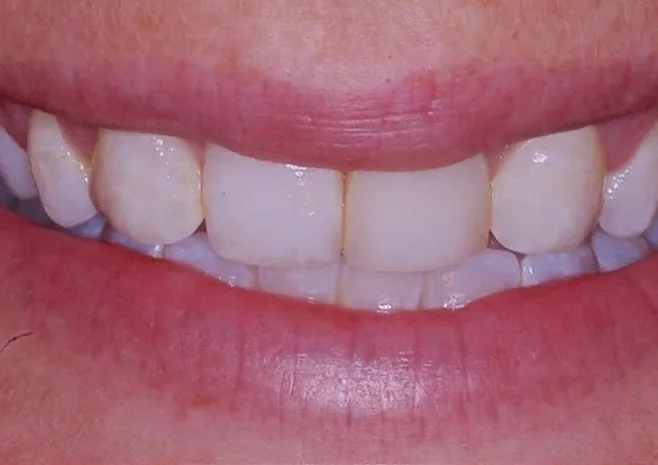 Before
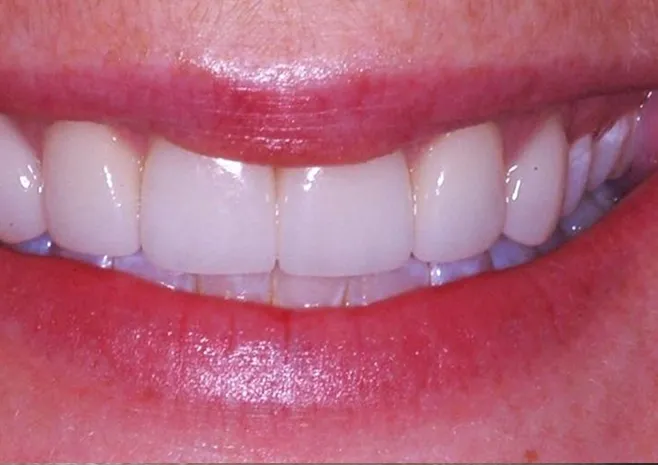 After
After
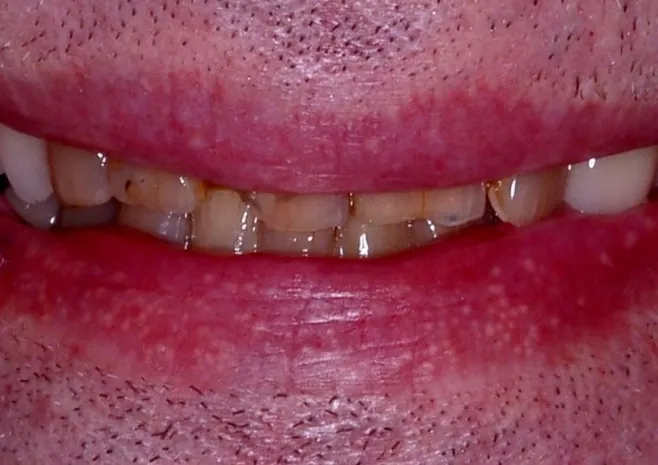 Before
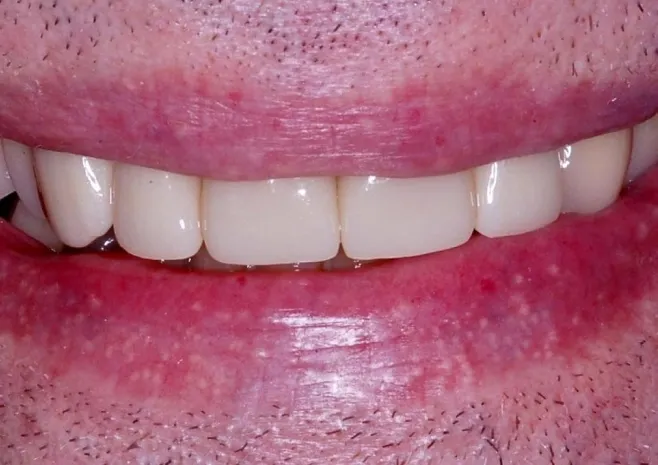 After
After
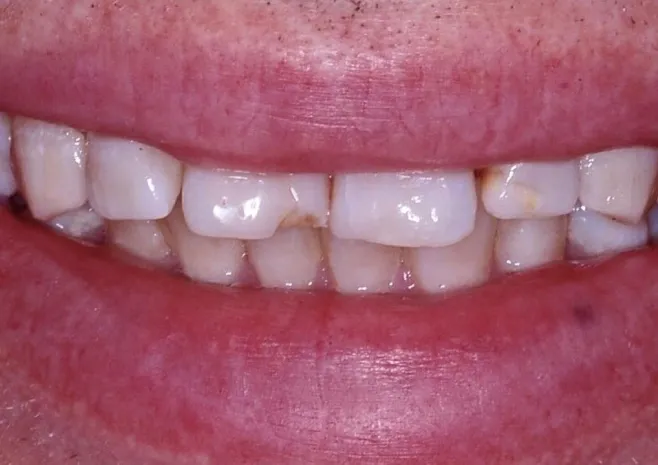 Before
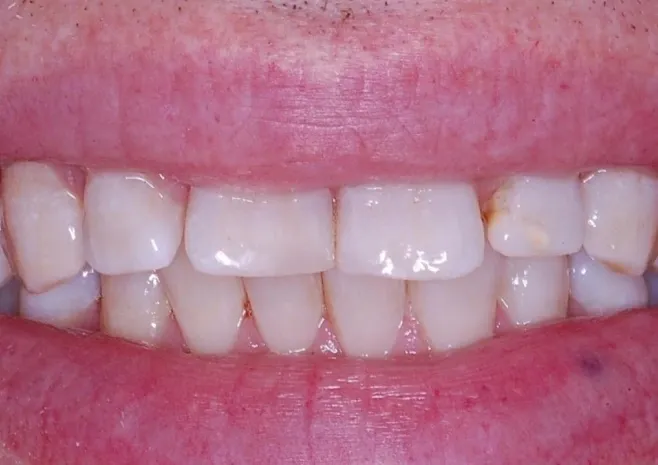 After
After
 4009 Sandy Spring Road, Suite 201, Burtonsville, MD 20866

 301-622-1717