Services
Understanding the Condition
The temporomandibular joint (TMJ) is the hinge connecting your jawbone to your skull, and it's one of the most complex and frequently used joints in the entire body. Every time you chew, speak, yawn, or swallow, this small joint - along with its surrounding muscles, ligaments, and cartilage disc - is doing significant work. When that system becomes inflamed, misaligned, or overworked, the result is what dentists collectively refer to as TMJ disorder, or TMD.
TMJ disorder is far more common than most people realize, and its symptoms often masquerade as unrelated problems: chronic headaches, ear fullness, neck stiffness, or even tooth sensitivity. Left unaddressed, TMJ dysfunction can progressively worsen, leading to accelerated tooth wear, muscle fatigue, and in some cases, permanent changes to the joint structure itself. At Drewyer Dentistry Burtonsville, we take a whole-mouth, whole-patient approach to diagnosing and treating TMJ disorder, looking beyond the symptom to the underlying cause so that relief is lasting rather than temporary.
Warning Signs
Because TMJ symptoms can be intermittent and easily confused with other health issues, many patients live with jaw dysfunction for years before receiving an accurate diagnosis. Understanding the common warning signs can help you seek treatment before the condition progresses and becomes harder to manage. If any of the following sound familiar, a TMJ evaluation is worth scheduling.
Personalized Evaluation
TMJ disorder can affect anyone, but certain lifestyle factors, habits, and health conditions make some patients more susceptible than others. A thorough clinical evaluation - including a review of your bite, muscle palpation, joint sounds, and range of motion - allows us to determine whether your symptoms stem from the joint itself, the surrounding musculature, or a combination of both. This distinction matters greatly, because it shapes which treatment approach will be most effective for you.
Our Approach
There is no single fix for TMJ disorder, which is why we favor a conservative, stepwise approach that begins with the least invasive options and escalates only if necessary. Every treatment plan is customized based on the severity of your symptoms, the underlying cause identified during your exam, and your personal comfort and goals. Our aim is always to relieve pain and restore normal function while preserving as much of your natural anatomy as possible.
Lasting Comfort
Successfully managing TMJ disorder does far more than eliminate jaw discomfort - it can meaningfully improve your quality of daily life. Patients who complete treatment often describe a level of relief that extends well beyond the jaw itself, touching everything from sleep quality to overall stress levels. The benefits compound over time as inflammation subsides and the joint is allowed to function the way it was meant to.
At-Home Guidance
TMJ treatment is rarely a single event - it's an ongoing partnership between you and our team. Once your custom appliance or bite adjustment is in place, we monitor your progress closely and make refinements as your muscles and joint respond. Consistency with at-home habits is just as important as the clinical treatment itself in achieving lasting results.
How It Works
We review your symptom history, palpate the jaw muscles and joint, check your range of motion, and evaluate your bite for imbalances that may be contributing to your discomfort.
If needed, we capture detailed imaging of the joint and surrounding structures to identify disc position, bone changes, or other structural factors influencing your symptoms.
We discuss your findings in plain language and design a conservative, stepwise plan - starting with the least invasive option that fits your specific case.
When a nightguard or splint is recommended, we take precise impressions or digital scans so your appliance fits comfortably and functions exactly as intended.
We fit your appliance or complete any bite adjustments, checking carefully for comfort and proper alignment before you leave our office.
We schedule follow-up visits to track your progress, fine-tune your appliance or exercises, and confirm your symptoms are steadily improving over time.
The Drewyer Difference
TMJ disorder requires a thoughtful, experienced eye - not a one-size-fits-all appliance handed out without proper diagnosis. Our team takes the time to genuinely understand your symptoms, your bite mechanics, and your daily habits before recommending any treatment, ensuring the care you receive is both effective and appropriate for your specific situation.
Common Questions
TMJ disorder can stem from a variety of factors, including chronic teeth grinding or clenching, an uneven bite, jaw injury or trauma, arthritis in the joint, or excessive stress that leads to unconscious muscle tension. Often it's a combination of several of these factors rather than a single cause, which is why a thorough evaluation is essential.
While both are worn over the teeth and can look similar, they serve slightly different purposes. A standard nightguard mainly protects teeth from grinding, while a TMJ splint is engineered with a specific bite position to relieve pressure on the joint itself and relax the surrounding muscles. We determine which type is right for you based on your evaluation findings.
Many patients notice a reduction in symptoms within a few weeks of consistent appliance use or bite adjustment, though full resolution can take several months as inflammation subsides and muscles retrain. We schedule follow-up visits to track your progress and adjust your treatment as needed along the way.
Mild, occasional jaw discomfort can sometimes resolve with rest and self-care, but chronic or recurring symptoms typically indicate an underlying issue that won't correct itself. Without treatment, TMJ disorder often gradually worsens, leading to increased pain, tooth wear, and joint changes over time.
Coverage for TMJ treatment varies significantly between dental and medical insurance plans. Our team will help review your benefits and explain your options clearly so you understand any out-of-pocket costs before treatment begins.
No referral is needed. As your general dentist, we're often the first and best point of contact for evaluating jaw pain, since so many TMJ symptoms are directly related to bite mechanics and dental health. If your case requires specialist input, we'll coordinate that referral for you.
Real Results
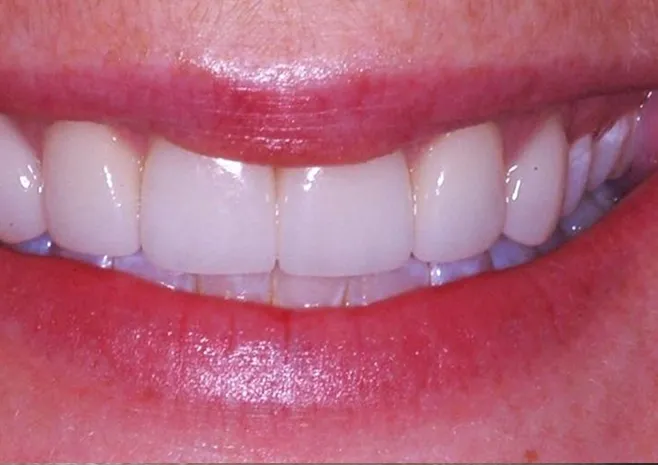
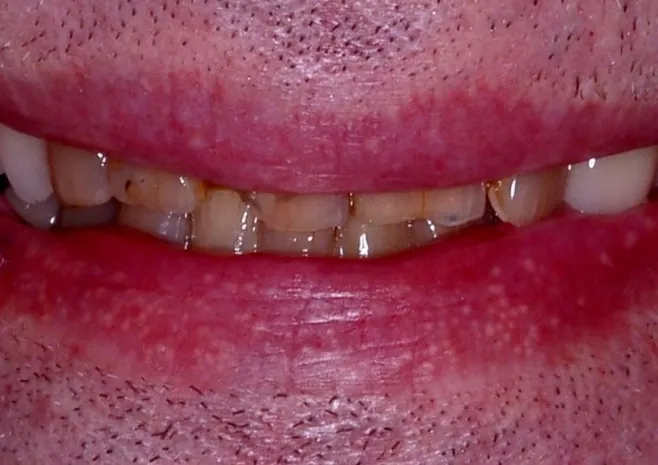
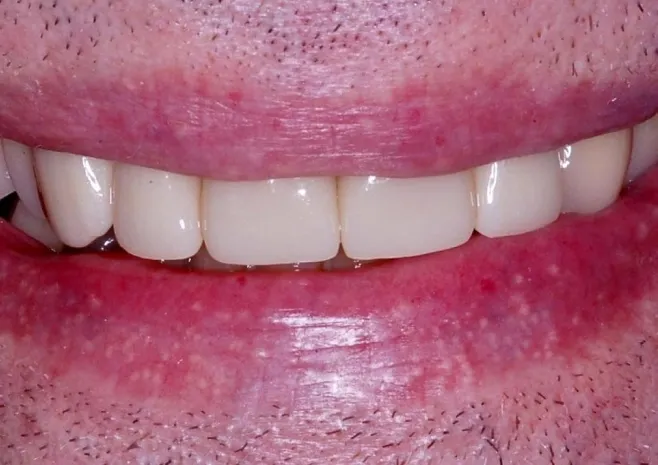
See how implants, whitening, and same-day crowns have restored confidence for patients in Burtonsville. Results vary; we will show you what is realistic for your smile during a consultation.
See More Smiles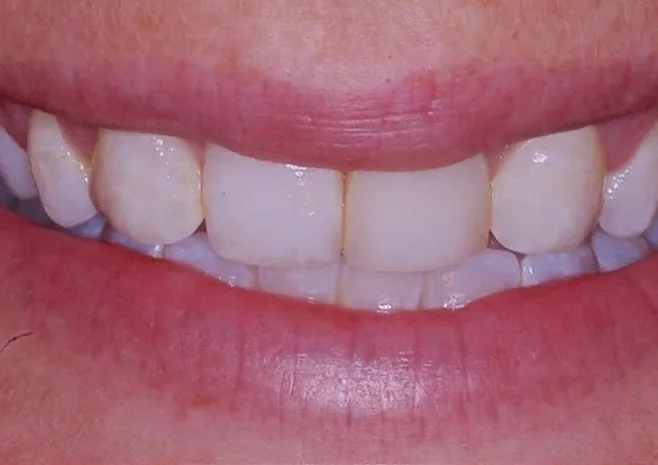 Before
 After
After
 Before
 After
After
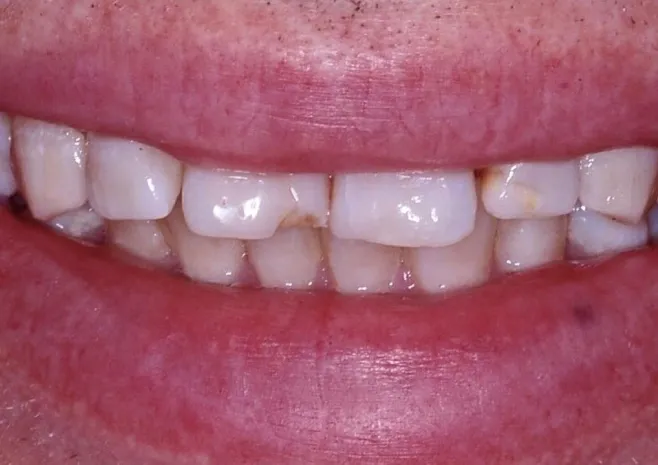 Before
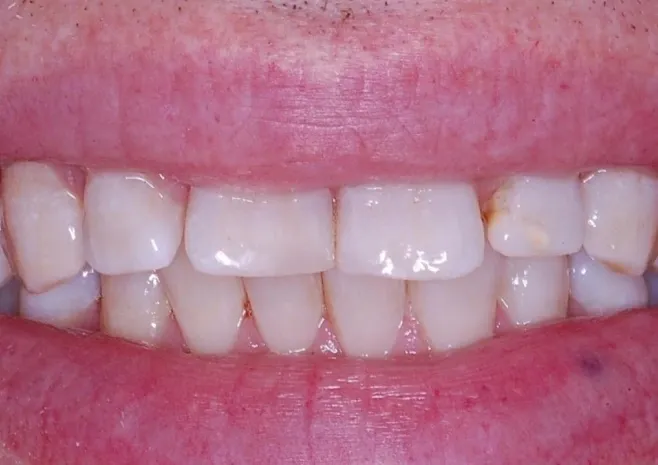 After
After
 4009 Sandy Spring Road, Suite 201, Burtonsville, MD 20866

 301-622-1717