Services
Overview
A tooth extraction is the careful, complete removal of a tooth from its socket in the jawbone - a procedure that becomes necessary when a tooth is too damaged, decayed, infected, or misaligned to be repaired or preserved by other dental treatments. While our team at Drewyer Dentistry always prioritizes saving natural teeth whenever possible through fillings, crowns, or root canal therapy, there are situations where extraction is genuinely the healthiest, safest, and most comfortable path forward for your smile.
Extractions matter because leaving a severely compromised tooth in place can cause far greater harm than removing it. Untreated infection can spread to surrounding bone and soft tissue, chronic pain can worsen, and crowded or impacted teeth can shift your entire bite out of alignment. Our approach blends gentle technique, modern local anesthesia, and - when appropriate - sedation options to make the experience as calm and pain-free as possible. We also plan ahead for what comes next, discussing bone preservation, spacing, and replacement options like implants or bridges so your smile stays whole, functional, and beautiful long after the procedure.
Whether you're dealing with a painful wisdom tooth, a fractured molar, or a tooth that's simply beyond restoration, our Burtonsville team is here to walk you through every step with honesty, patience, and genuine clinical skill.
When Extraction Is Needed
Many patients come to us unsure whether their tooth truly needs to come out, or whether it can be saved. During your evaluation, we take digital X-rays and perform a thorough clinical exam to give you a clear, honest answer. The following are among the most common reasons extraction becomes the recommended course of treatment.
Simple vs. Surgical
Not every extraction is the same, and matching the right technique to your specific situation is central to a comfortable outcome. At Drewyer Dentistry, we assess the position, root structure, and condition of the tooth before recommending an approach, always explaining our reasoning clearly so you understand exactly what to expect.
Some extractions are quick, straightforward appointments, while others - like impacted wisdom teeth - require a more involved surgical approach. Either way, our priority is minimizing trauma to the surrounding bone and tissue, which supports faster healing and better outcomes if you choose to replace the tooth later.
Real Advantages
While no one looks forward to losing a tooth, timely extraction of a truly compromised tooth often delivers immediate relief and protects your broader oral health in ways that outweigh the short-term discomfort of the procedure itself. Understanding these benefits can help ease anxiety about moving forward with treatment.
Healing Well
Proper aftercare in the days following your extraction plays a major role in how quickly and comfortably you heal. Our team sends you home with clear written instructions and is always just a phone call away if you have questions during your recovery. Most patients return to normal activities within a few days, with full gum healing occurring over the following weeks.
We'll also discuss whether replacing the extracted tooth makes sense for your long-term oral health, since gaps left unaddressed can eventually lead to shifting teeth and bone loss in the jaw.
Your Visit
We start with a careful exam and digital imaging to assess the tooth's position, root structure, and the health of surrounding bone before recommending the right approach.
We thoroughly numb the area with local anesthesia, and discuss sedation options if you'd like additional relaxation during the procedure.
Using precise, controlled technique, we loosen and remove the tooth, taking extra care to protect the surrounding bone and gum tissue throughout.
If appropriate, we place a bone graft to preserve the socket for future replacement, then clean and prepare the area to encourage healthy healing.
You'll leave with clear written aftercare guidance, any needed prescriptions, and direct contact information should you have questions during recovery.
We check in on your healing progress and discuss replacement options like implants or bridges to keep your bite and smile complete.
Why Drewyer Dentistry
Choosing where to have a tooth removed matters just as much as choosing whether to have it removed at all. At Drewyer Dentistry Burtonsville, we've built our reputation on gentle technique, honest communication, and genuine care for how you feel - before, during, and after the procedure.
Common Questions
Thanks to modern local anesthesia, you should feel little to no pain during the extraction itself - most patients feel pressure rather than sharp pain. Some soreness and swelling is normal for a few days afterward, and we provide guidance and medication recommendations to keep you comfortable.
Most patients feel back to normal within a few days for simple extractions, though full gum healing takes a couple of weeks. Surgical extractions, such as impacted wisdom teeth, may require slightly longer recovery, and we'll give you a personalized timeline based on your specific case.
In most cases, yes - leaving a gap can eventually cause neighboring teeth to shift and bone loss in the jaw over time. We'll discuss options like dental implants, bridges, or partial dentures during your visit so you can choose the solution that fits your needs and budget.
Dry socket occurs when the protective blood clot at the extraction site is dislodged too early, exposing bone and nerve tissue. You can avoid it by not using straws, smoking, or rinsing forcefully for at least 24-48 hours after your procedure, following our detailed aftercare instructions closely.
We recommend sticking to soft foods like soups, yogurt, and mashed potatoes for the first few days while your gums begin to heal. You can gradually reintroduce firmer foods as comfort allows, and we'll guide you on timing based on how your recovery is progressing.
Yes - we understand dental anxiety is common, especially around extractions, and offer sedation options to help you stay calm and comfortable throughout your procedure. We'll talk through what's available and recommend the best fit for your needs during your consultation.
Real Results
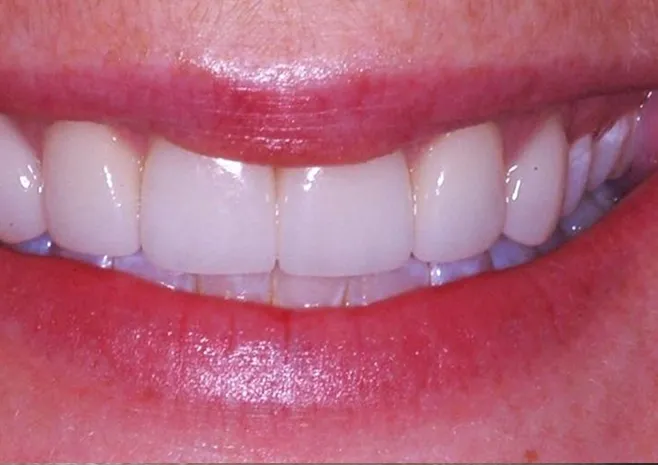
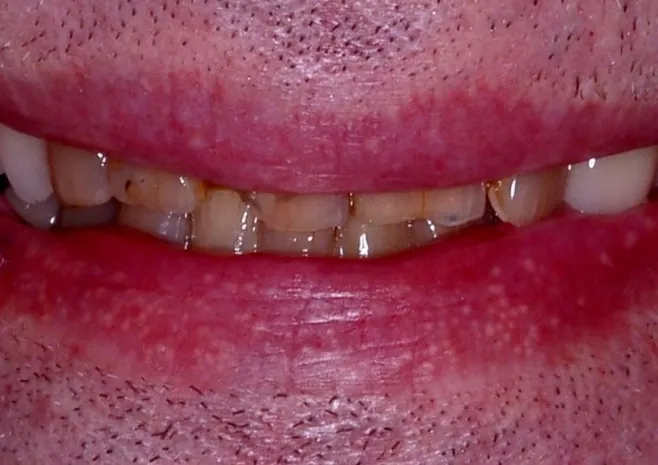
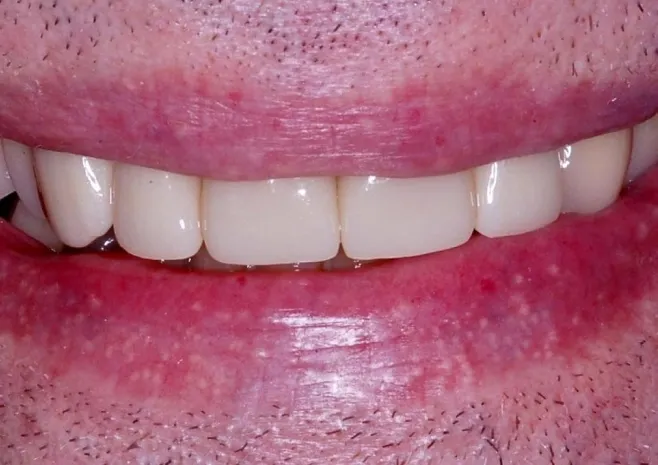
See how implants, whitening, and same-day crowns have restored confidence for patients in Burtonsville. Results vary; we will show you what is realistic for your smile during a consultation.
See More Smiles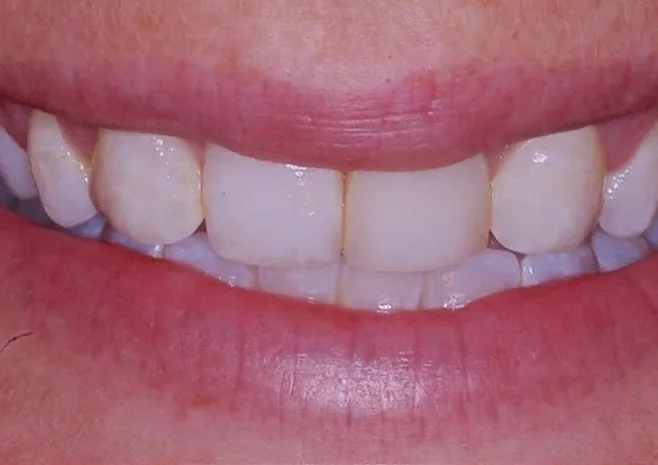 Before
 After
After
 Before
 After
After
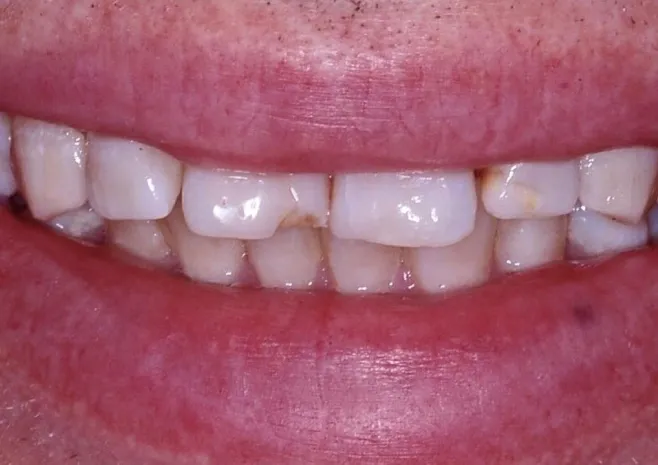 Before
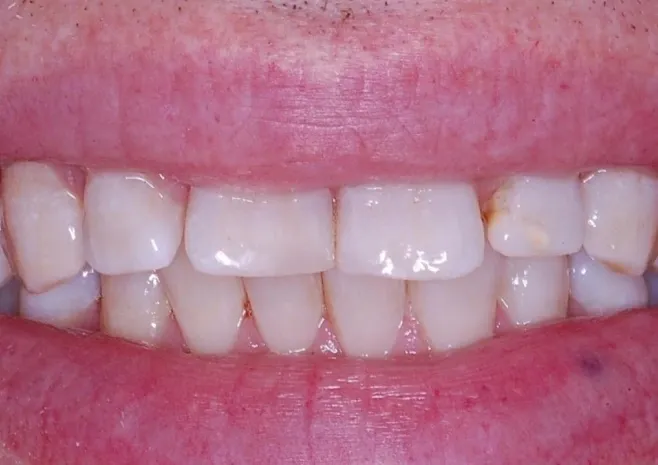 After
After
 4009 Sandy Spring Road, Suite 201, Burtonsville, MD 20866

 301-622-1717