Services
What Is Scaling & Root Planing?
Scaling and root planing, often called SRP or a "deep cleaning," is a non-surgical periodontal treatment designed to treat gum disease before it progresses to a point that threatens your teeth and jawbone. Unlike a routine cleaning that focuses on the visible tooth surfaces above the gumline, scaling and root planing addresses the pockets that form between your gums and teeth once plaque and tartar have been allowed to accumulate and harden below the gum tissue.
During scaling, we carefully remove plaque, tartar, and bacterial toxins from the tooth surface and from within the periodontal pockets. Root planing then smooths the exposed root surfaces, eliminating the rough, bacteria-friendly texture that allows plaque to reattach and gums to remain inflamed. Together, these two steps interrupt the disease process, allow inflamed tissue to heal, and give your gums the opportunity to reattach more snugly to your teeth. At Drewyer Dentistry Burtonsville, we perform this treatment with a gentle, thorough approach, using local anesthesia when needed so you remain comfortable throughout.
Warning Signs
Gum disease often develops quietly, without pain, until it has already caused significant damage to the tissue and bone that support your teeth. Recognizing the early warning signs and seeking treatment promptly can mean the difference between reversing the condition and losing teeth. If you notice any of the following, a periodontal evaluation is strongly recommended.
Is This Treatment Right for You?
Scaling and root planing is recommended for patients diagnosed with gingivitis that hasn't responded to routine cleanings, or with early to moderate periodontitis where pockets have deepened but bone loss is still manageable. Every recommendation begins with a comprehensive periodontal evaluation, including gum pocket measurements, a review of bleeding points, and dental X-rays to assess bone levels around each tooth. This information allows our team to determine exactly how far gum disease has progressed and whether deep cleaning alone will be sufficient or additional periodontal therapy should be considered.
Real, Lasting Results
The benefits of scaling and root planing reach well beyond fresher breath and cleaner-feeling teeth. Because periodontal disease has been linked in research to systemic conditions such as heart disease, stroke, and complications with diabetes, treating gum infection promptly is an investment in your whole-body health, not just your smile. Removing the bacterial load beneath the gums reduces chronic inflammation throughout the body and gives your immune system a chance to reset.
Protecting Your Investment
Most patients tolerate scaling and root planing very well, with mild gum tenderness and some sensitivity to temperature for a few days afterward being the most common side effects. Because we numb the treatment area, you may need to wait until sensation fully returns before eating. Healing continues over the following one to two weeks as gum tissue tightens and pocket depths begin to shrink. Ongoing maintenance is essential to lock in these results and prevent gum disease from returning.
Your Visit, Step by Step
We measure pocket depths around every tooth, check for bleeding points, and review X-rays to fully map the extent of gum disease before treatment begins.
Local anesthesia is applied to the treatment areas so you remain relaxed and comfortable, even with deeper pockets that require more thorough cleaning.
Using specialized hand instruments and ultrasonic scalers, we carefully remove plaque and hardened tartar from both the tooth surface and inside the periodontal pockets.
We smooth the exposed root surfaces to remove rough spots and bacterial toxins, creating a cleaner surface that discourages plaque from reattaching.
Treated areas are thoroughly rinsed, and we review your gum health, home care needs, and any recommended antimicrobial treatments before you leave.
We schedule a follow-up visit to re-check pocket depths and set up a periodontal maintenance schedule tailored to keep your gums healthy long-term.
Why Choose Us
Treating gum disease effectively requires more than a quick cleaning - it takes clinical precision, gentle technique, and a genuine commitment to your long-term comfort and health. At Drewyer Dentistry Burtonsville, we've built our periodontal care around exactly that philosophy, combining modern technology with a warm, unhurried approach that puts patients at ease.
Frequently Asked Questions
We use local anesthesia to numb the treatment area, so most patients feel little to no discomfort during the procedure itself. Some mild soreness or sensitivity for a day or two afterward is normal and typically manageable with over-the-counter pain relief.
A routine cleaning removes plaque and tartar above the gumline to maintain healthy gums. Scaling and root planing goes below the gumline into periodontal pockets to remove bacteria and tartar that a standard cleaning cannot reach, and it also smooths root surfaces to encourage gum reattachment.
Treatment is often completed over one or two visits, with the mouth typically divided into quadrants so we can focus on each area thoroughly. Your exact treatment plan depends on the severity and extent of gum disease found during your evaluation.
Many dental insurance plans provide coverage for scaling and root planing when it's medically necessary to treat diagnosed gum disease. Our team will help verify your benefits and walk you through any out-of-pocket costs before treatment begins.
Untreated gum disease progresses steadily, leading to deeper pockets, further bone loss, loosening teeth, and eventually tooth loss. It has also been linked to increased risk for certain systemic health issues, making early treatment important for both your smile and overall wellbeing.
Most patients move to a periodontal maintenance schedule of every three to four months following treatment, rather than the standard six-month cleaning interval. This more frequent care helps keep bacteria levels low and prevents gum disease from returning.
Real Results
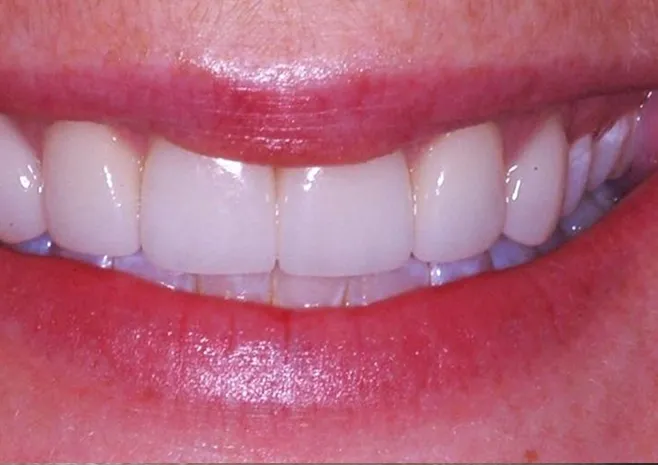
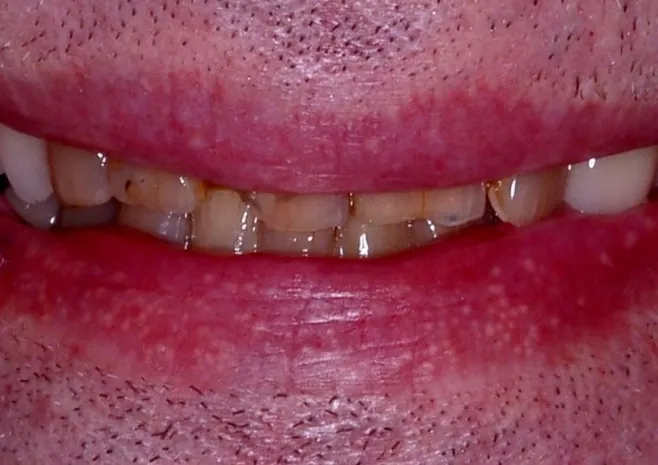
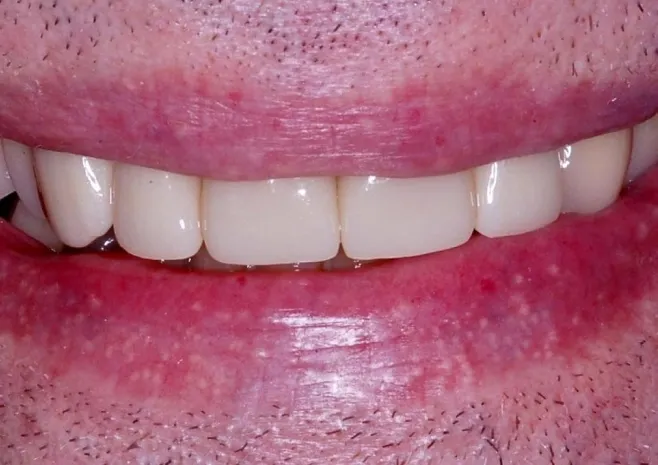
See how implants, whitening, and same-day crowns have restored confidence for patients in Burtonsville. Results vary; we will show you what is realistic for your smile during a consultation.
See More Smiles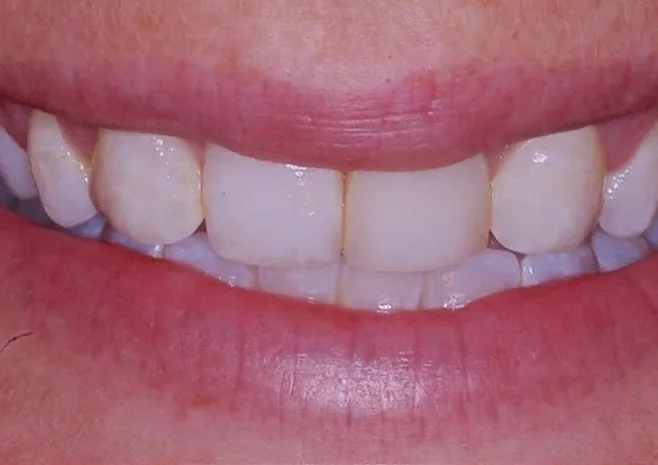 Before
 After
After
 Before
 After
After
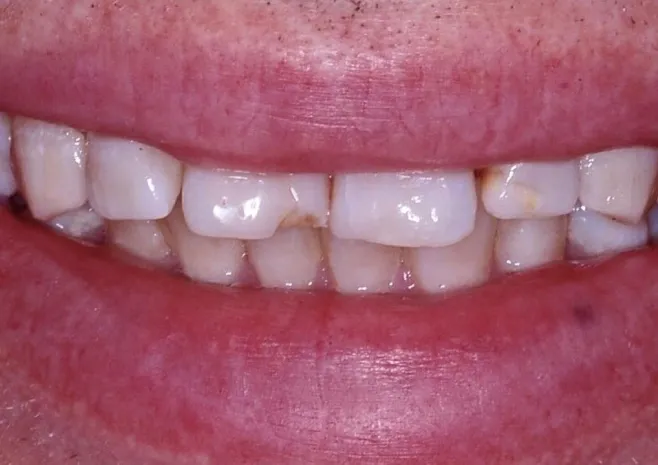 Before
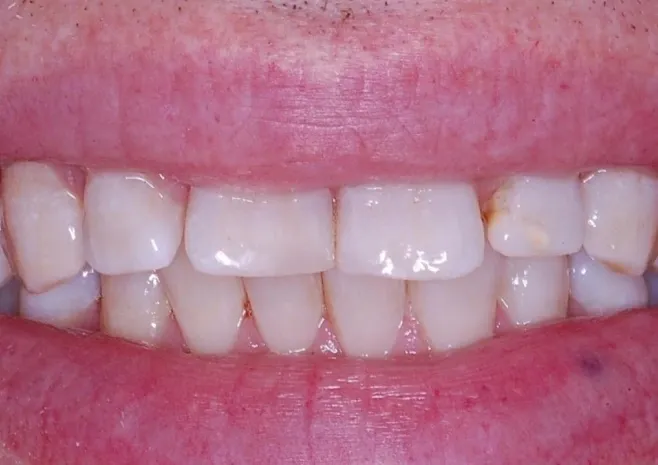 After
After
 4009 Sandy Spring Road, Suite 201, Burtonsville, MD 20866

 301-622-1717