It's one of the most common questions we hear at our Burtonsville office: "How often do I actually need to come in?" The answer isn't the same for everyone, and understanding the reasoning behind dental visit recommendations can help you make better decisions about your own oral health - instead of just showing up (or not showing up) out of habit.
Regular dental visits are about far more than clean-feeling teeth. They're a chance for your dental team to catch problems early, before they turn into pain, infection, or expensive treatment. Cavities, gum disease, and even oral cancer often develop with few or no symptoms in their earliest stages, which means the people who skip checkups are usually the ones who end up with bigger, more costly problems down the road.
Below, we'll walk through the general guidelines most patients should follow, the specific factors that might mean you need more frequent care, and what actually happens during a typical cleaning and exam - so you know exactly what to expect and why it matters.
Most Burtonsville patients benefit from a cleaning and exam every six months. This twice-a-year rhythm has become the standard recommendation for a good reason: it strikes a practical balance between staying ahead of problems and not overburdening patients with unnecessary appointments. For the majority of people with healthy gums, a low cavity rate, and no major risk factors, six-month visits are enough to keep plaque and tartar under control and to catch small issues before they grow.
Plaque begins forming on teeth within hours of eating, and even with excellent brushing and flossing habits, it hardens into tartar in places a toothbrush simply can't reach - along the gumline, between tight contacts, and behind the back molars. A professional cleaning removes that buildup before it has a chance to irritate the gums or contribute to decay. The accompanying exam gives your dentist a chance to look for early cavities, cracked fillings, worn enamel, and changes in the soft tissue of your mouth.
We may recommend more frequent visits if you have gum disease or a high cavity risk. The six-month interval is a strong starting point, not a rigid rule - your specific mouth, history, and habits ultimately determine what schedule serves you best.
While the six-month checkup works well for many patients, a meaningful number of people need to be seen more often - sometimes every three or four months. This isn't about upselling extra appointments; it's about matching the frequency of care to the level of risk in your mouth. A few factors tend to move patients into a shorter-interval schedule.
A history of gum disease
Patients with gingivitis or periodontitis need closer monitoring and more frequent deep cleanings to keep the condition from progressing.
A high cavity rate
If you've had multiple cavities in recent years, more frequent exams help catch new decay while it's still small and easy to treat.
Tobacco use
Smoking and vaping increase the risk of gum disease and oral cancer, both of which are easier to manage when caught early.
Certain medical conditions
Diabetes, autoimmune conditions, and pregnancy can all affect gum health and healing, often warranting closer follow-up.
Existing dental work
Crowns, bridges, and implants benefit from regular checks to make sure they're holding up well and not trapping bacteria underneath.
Gum disease is one of the most common reasons we adjust a patient's recommended visit schedule. In its earliest stage, gingivitis, the gums may appear red, swollen, or bleed slightly during brushing. Left untreated, gingivitis can progress into periodontitis - a more serious condition where the infection spreads below the gumline, breaking down the bone and connective tissue that hold teeth in place.
Because periodontitis is a chronic condition rather than something that's simply "cured" and forgotten, patients who've been diagnosed with it typically move to a maintenance schedule of visits every three to four months rather than the standard six. These more frequent cleanings - often called periodontal maintenance - help keep bacteria levels low and prevent the disease from advancing further.
The good news is that with consistent professional care and good home hygiene, gum disease can often be stabilized, even if it can't always be fully reversed. Sticking to the recommended interval is one of the most effective things a patient can do to protect the long-term health of their teeth and jawbone.
Cavity risk isn't the same for every patient, and it can change over time. Someone who went years without a cavity might suddenly develop several in a short span due to a change in diet, medication, saliva flow, or stress. Recognizing when your risk level has shifted is part of why regular exams matter - your dentist can spot patterns that aren't obvious from the outside.
Frequent snacking on sugary or starchy foods, dry mouth (often caused by certain medications), deep grooves in the chewing surfaces of teeth, and a history of orthodontic work can all raise the likelihood of new decay. Even something as simple as sipping coffee or soda throughout the day, rather than in one sitting, can extend the amount of time your teeth spend exposed to acid.
For patients in this category, we may suggest shorter intervals between visits, additional fluoride treatments, or specific at-home products designed to strengthen enamel and reduce bacteria. The goal is always to intervene early, when a small area of demineralization can often be managed without a filling at all.
Understanding what a routine visit actually involves can make the recommended frequency feel a lot more reasonable. A typical cleaning and exam starts with a review of your health history and any changes since your last visit, followed by a thorough cleaning to remove plaque and tartar from areas that are difficult to reach with a toothbrush and floss alone.
From there, your dentist performs a visual and physical exam of your teeth, gums, and bite, checking for early signs of decay, wear, and gum recession. Digital X-rays are typically taken on a set schedule to look beneath the surface, revealing issues like cavities between teeth or bone loss that aren't visible to the naked eye. Many visits also include an oral cancer screening, which involves a quick check of the tongue, cheeks, throat, and neck.
The entire appointment usually takes less time than most people expect, and it gives your dental team a consistent baseline to compare against at each future visit - which is exactly how small changes get caught before they become bigger problems.
Even with a good six-month or three-month routine in place, certain symptoms deserve attention right away rather than waiting for your next scheduled cleaning. Recognizing these signs early can prevent a minor issue from turning into an emergency.
Persistent tooth pain or sensitivity
Ongoing discomfort, especially with hot, cold, or sweet foods, often points to decay or a cracked tooth that needs evaluation.
Bleeding or swollen gums
Gums that bleed regularly during brushing or flossing are a common early warning sign of gum disease.
A loose or shifting tooth
Movement in an adult tooth is never normal and should be looked at promptly to determine the underlying cause.
Chronic bad breath
Bad breath that doesn't improve with brushing can be a sign of underlying gum disease or decay.
Key Takeaways
Yes - many dental problems, including early cavities and gum disease, don't cause noticeable symptoms until they've progressed. Regular checkups let us catch these issues while they're still small and easy to treat.
Your dentist evaluates factors like your recent cavity history, diet, saliva flow, and home care habits during your exam. If several risk factors apply to you, we'll let you know and recommend an appropriate visit schedule.
Generally, yes. Most children benefit from checkups every six months as well, though a dentist may adjust this based on their cavity risk or how their teeth are developing.
Not necessarily forever, but often for an extended period while the condition is being managed. Once your gum health stabilizes with consistent care, your dentist may reassess and potentially adjust the interval.
That's okay - the best next step is simply to schedule a cleaning and exam so we can assess where things stand and get you back on a healthy, consistent schedule.
There's no single answer that fits every patient perfectly, which is exactly why the recommendation to visit every six months is a starting point rather than a strict rule. Your personal history with gum disease, cavities, and overall oral health plays a real role in determining how often you should be seen, and that schedule can shift over time as your circumstances change.
The most reliable way to know what's right for your mouth is to have an open conversation with your dental team about your history and any concerns you've noticed. Consistent visits - whether every three, four, or six months - remain one of the simplest and most effective ways to protect your smile for the long term.
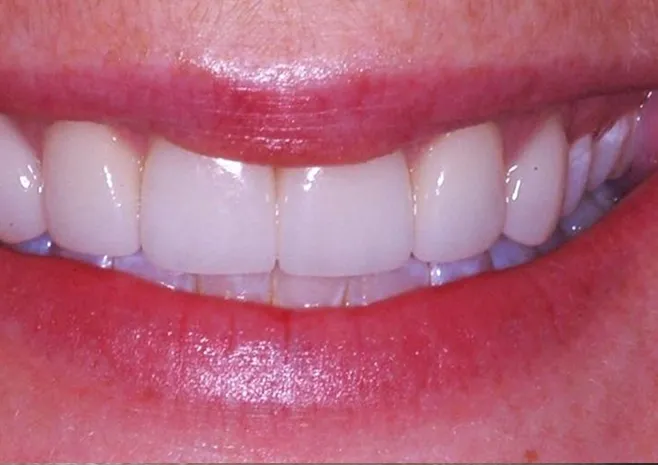
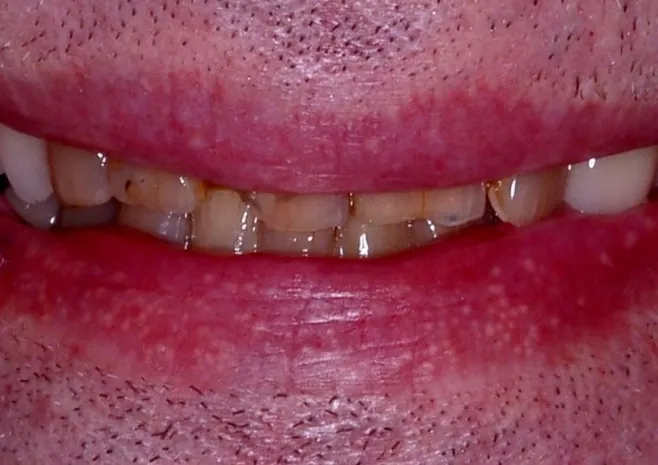
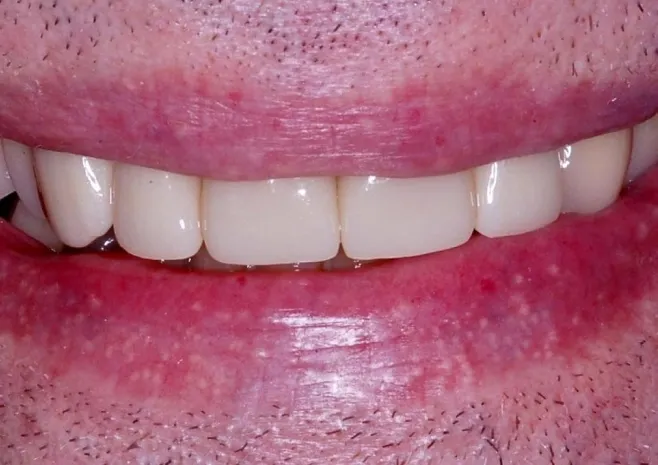
Real Results
See how implants, whitening, and same-day crowns have restored confidence for patients in Burtonsville. Results vary; we will show you what is realistic for your smile during a consultation.
See More Smiles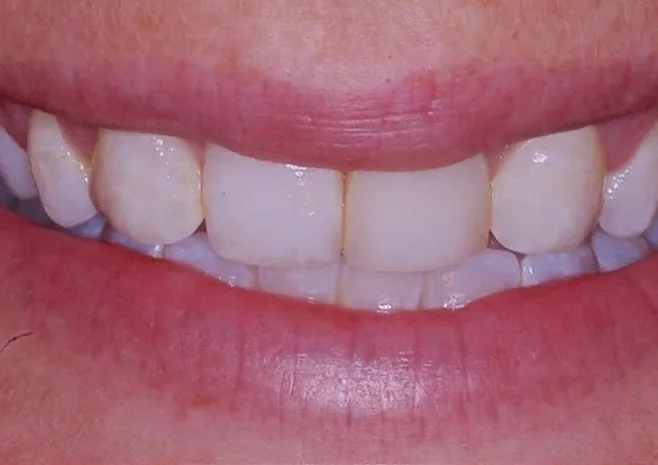 Before
 After
After
 Before
 After
After
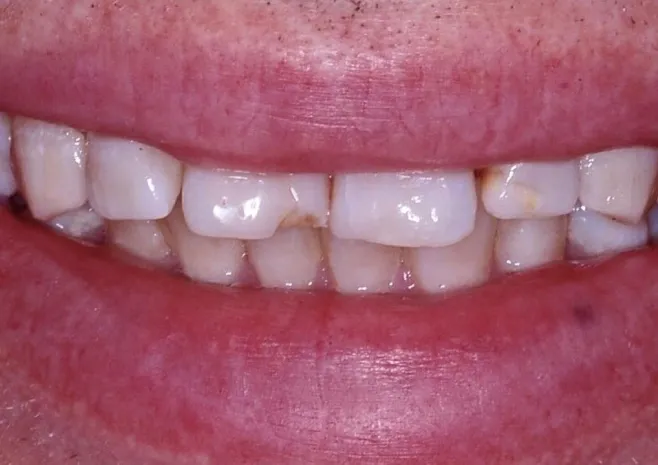 Before
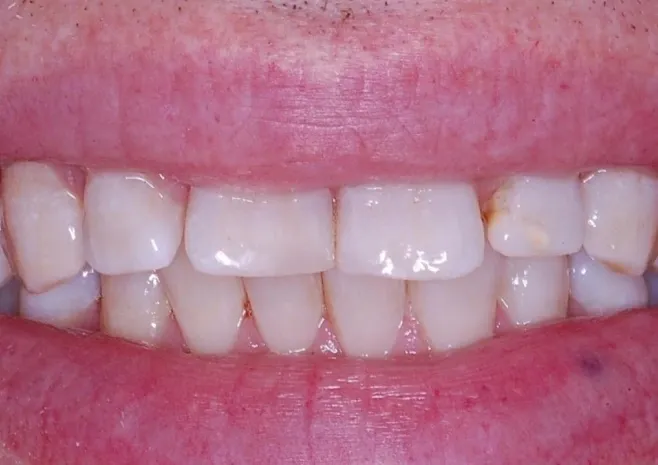 After
After
 4009 Sandy Spring Road, Suite 201, Burtonsville, MD 20866

 301-622-1717