4009 Sandy Spring Road, Suite 201, Burtonsville, MD 20866

 301-622-1717
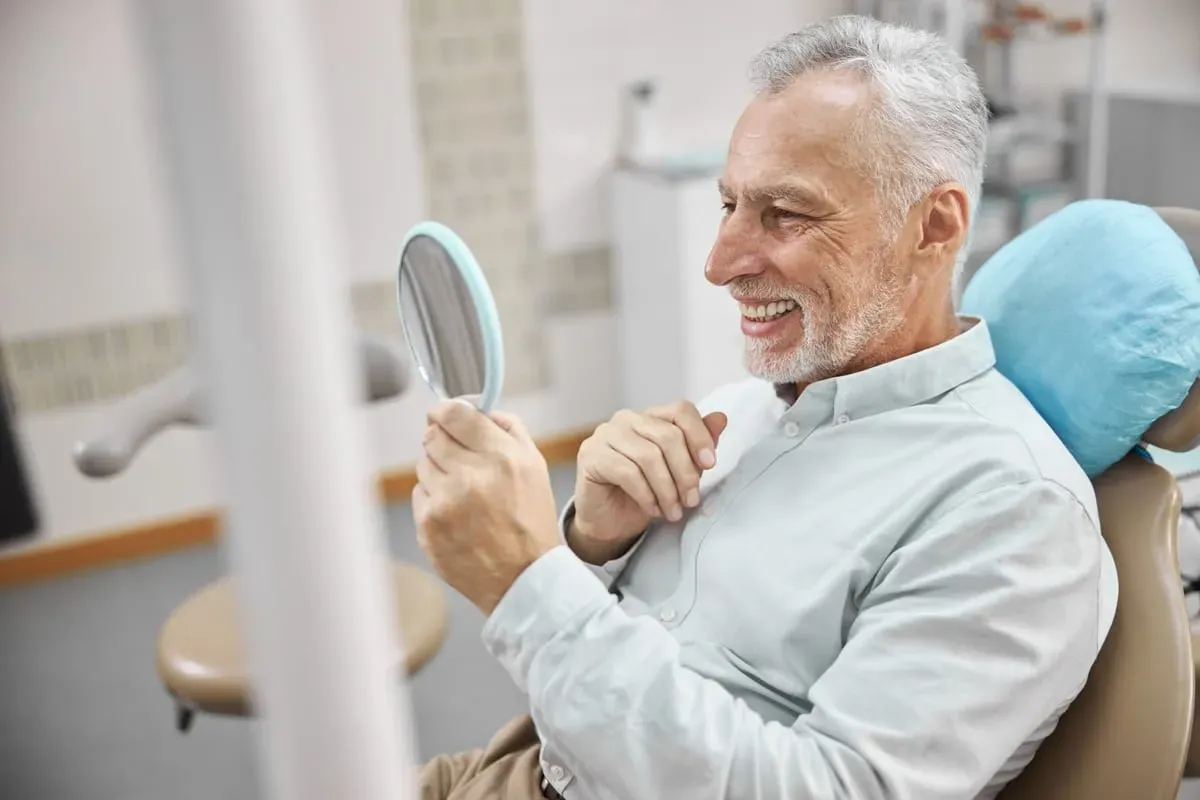
Losing a tooth changes more than your smile. It changes the way you eat. Foods that once took no thought at all - a crisp apple, a slice of steak, a handful of almonds - can suddenly become sources of frustration, pain, or embarrassment. For many patients, the slow retreat from favorite foods happens so gradually that they don't realize how much chewing power they've lost until they try to get it back.
Dental implants are unique among tooth replacement options because they don't just fill a gap - they rebuild the entire chewing system from the root up. Unlike removable dentures or tooth-supported bridges, implants anchor directly into the jawbone, giving patients a foundation that behaves remarkably like a natural tooth root. That difference is the reason implants are widely considered the gold standard for restoring real, functional bite force.
In this article, we'll explain exactly how implants restore chewing power, what happens biologically and mechanically when a tooth is replaced this way, and why so many patients describe eating again - really eating - as one of the most life-changing parts of implant treatment.
In This Article
- Why Chewing Power Matters More Than You Think
- The Anatomy of an Implant and Why It Mimics a Real Tooth
- Osseointegration: The Process That Rebuilds Bite Strength
- Implants Versus Dentures and Bridges: A Chewing Comparison
- Protecting the Jawbone and Neighboring Teeth
- What to Expect as Your Bite Strength Returns
Why Chewing Power Matters More Than You Think
Chewing is the first step of digestion, and it's easy to underestimate how much work a healthy bite does every single day. A full, strong bite breaks food down into small enough pieces for the stomach to process efficiently, which means better nutrient absorption and less digestive strain. When chewing capacity drops - even from the loss of a single back tooth - patients tend to shift toward softer, less fibrous, and often less nutritious foods without even realizing they're making the trade-off.
Over time, this pattern can lead to real consequences. Patients who avoid fresh vegetables, lean meats, nuts, and whole grains because chewing is uncomfortable often see gradual declines in overall diet quality. For older adults especially, this can contribute to weight loss, muscle loss, and lower intake of essential vitamins and minerals. Chewing difficulty isn't just an inconvenience; it's a genuine health issue that deserves the same attention as any other functional limitation.
There's also a social and emotional dimension. Meals are central to family gatherings, celebrations, and everyday connection. When a patient has to quietly avoid certain foods, cut everything into tiny pieces, or chew only on one side of the mouth, it can create self-consciousness that goes far beyond the dinner table. Restoring real chewing power restores freedom - the ability to eat what you want, when you want, without calculation or compromise.
The Anatomy of an Implant and Why It Mimics a Real Tooth
A dental implant is made of three parts working together: a titanium or zirconia post that replaces the tooth root, an abutment that connects the post to the visible restoration, and a custom crown, bridge, or denture that replaces the visible tooth structure. This three-part design is what sets implants apart from every other tooth replacement option, because it recreates both the root and the crown - not just the crown alone.
Natural teeth are so effective at chewing because the root is embedded directly in bone, giving each bite a stable, load-bearing anchor. Removable dentures and many bridges skip this step entirely, resting instead on the gum tissue or relying on neighboring teeth for support. That missing root connection is the main reason traditional replacements often feel weaker and less predictable when biting into firmer foods.
By placing a post directly into the jawbone, an implant reintroduces that root-level anchor. The bone doesn't just hold the implant in place passively - it actually fuses to the implant surface over time, creating a connection that can handle real, sustained biting forces in a way that surface-level restorations simply cannot replicate.
Osseointegration: The Process That Rebuilds Bite Strength
The biological process that makes implants so strong is called osseointegration - the fusing of living bone to the surface of the titanium or zirconia post. After the implant is placed, the surrounding bone begins to grow and bond directly to its surface over a period of roughly three to six months, depending on the patient's bone density, health, and the location of the implant in the mouth.
This fusion is not a minor detail; it's the entire reason implants can handle forces close to those of a natural tooth. Once osseointegration is complete, the implant behaves less like an artificial device sitting in the mouth and more like an extension of the jawbone itself. Patients typically notice this most clearly when biting down on firmer foods - there's a stability and solidity that simply isn't present with restorations that rest on soft tissue.
- Bone bonding: New bone cells grow into microscopic ridges on the implant surface, locking it in place at a cellular level.
- Load distribution: A fused implant spreads chewing force evenly through the jaw, just as a natural root would.
- Healing timeline: Full integration generally takes several months, which is why the crown is attached only after the post has stabilized.
- Long-term stability: A well-integrated implant can maintain strong bite force for decades with proper care.
Implants Versus Dentures and Bridges: A Chewing Comparison
Traditional dentures rest on the gums and are held in place with suction, adhesive, or clasps. While modern dentures have improved significantly, they typically restore only a fraction of natural chewing force - often estimated at around 10-25% of a natural tooth's biting power. That's a major reason many denture wearers avoid tougher foods like steak, raw carrots, or crusty bread, even years after their teeth were replaced.
Dental bridges improve on this by anchoring to neighboring natural teeth, offering more stability than a denture but still relying on those adjacent teeth to absorb extra stress they weren't originally designed to carry. Over time, this added load can put those supporting teeth at higher risk for wear, decay, or even failure, especially if oral hygiene around the bridge isn't meticulous.
Implants, by contrast, are self-supporting. Because they're anchored in bone rather than relying on gums or nearby teeth, studies and clinical experience consistently show implants restoring chewing efficiency much closer to that of a natural tooth - often in the range of 85-90% or more of original bite force. That gap in performance is the primary reason implants are frequently recommended as the first-choice option for patients who prioritize long-term chewing function.
Protecting the Jawbone and Neighboring Teeth
One of the lesser-known consequences of tooth loss is bone resorption - the gradual shrinking of the jawbone in the area where a tooth used to be. Natural tooth roots stimulate the bone every time you chew, signaling the body to maintain bone density in that area. Once a root is gone, that stimulation stops, and the bone begins to shrink, sometimes losing a significant percentage of its width within the first year alone.
This matters directly for chewing power because shrinking bone changes the shape and support structure of the jaw, which can affect bite alignment, facial support, and the fit of any future restorations. Implants are the only tooth replacement option that actively prevents this process, because the post continues to stimulate the bone with every bite, just as a natural root would.
There's a ripple effect for neighboring teeth as well. When a gap is left untreated or replaced with an option that doesn't fully restore chewing function, nearby teeth often shift, tilt, or take on extra chewing burden they weren't designed for. This can accelerate wear and create bite imbalances that affect the entire mouth. By restoring both function and structure in the exact location of the missing tooth, implants help preserve the health and alignment of the whole dental arch.
What to Expect as Your Bite Strength Returns
Chewing strength doesn't return overnight, and understanding the timeline helps set realistic expectations. In the days immediately following implant placement, the site needs to heal, and patients are usually advised to stick to softer foods. As osseointegration progresses over the following months, the implant becomes progressively more stable, though most patients won't be biting at full force until the permanent crown is placed and settled.
Once the restoration is complete, many patients describe a gradual rediscovery process - testing foods they'd avoided for months or years and being pleasantly surprised at how natural the sensation feels. It's common to start with moderately firm foods and work up to tougher textures as confidence builds, even though the implant itself is typically ready to handle full chewing force from the start.
Maintaining that restored strength long-term comes down to the same habits that protect natural teeth: consistent brushing and flossing around the implant crown, regular dental checkups, and avoiding habits like chewing ice or using teeth as tools. With proper care, implants are designed to function reliably for many years, making the investment in restored chewing power a lasting one.
Key Takeaways
- Implants replace the tooth root, not just the crown, which is why they restore significantly more bite strength than dentures or bridges.
- Osseointegration fuses the implant to the jawbone, creating a stable, load-bearing anchor similar to a natural root.
- Implants can restore chewing efficiency close to natural levels, far surpassing traditional dentures.
- Implants help prevent jawbone shrinkage and protect neighboring teeth from excess chewing strain.
- Full chewing strength returns gradually as healing and osseointegration progress after treatment.
Frequently Asked Questions
How much chewing force can a dental implant handle?
A well-integrated implant can typically handle chewing forces very close to those of a natural tooth, often cited around 85-90% of original bite strength or more. This is significantly higher than what traditional dentures can restore, which is why implants are frequently recommended for patients who want to eat a full range of foods again.
How long before I can chew normally after getting an implant?
Most patients need to stick to softer foods during the initial healing period, then gradually reintroduce firmer foods as osseointegration progresses over several months. Full chewing function generally returns once the permanent crown is placed and the implant has fully fused with the surrounding bone.
Are implants better for chewing than a bridge?
In most cases, yes. Bridges rely on neighboring teeth for support, which means those teeth absorb extra stress during chewing. Implants stand independently, anchored in bone, so they distribute chewing force more naturally without placing added strain on adjacent teeth.
Will an implant feel different from a natural tooth when I eat?
Most patients report that implants feel remarkably close to natural teeth once healing is complete, largely because the implant is anchored directly in bone rather than resting on soft tissue. Some describe a very slight difference in sensation since implants don't have the same nerve feedback as a natural tooth root, but this rarely affects day-to-day comfort or confidence while eating.
Can implants restore chewing power for multiple missing teeth?
Yes. Implants can support individual crowns, multi-tooth bridges, or even full-arch restorations, all anchored by one or more implant posts. In each case, the underlying principle is the same: the implant root provides the stable foundation needed to restore meaningful, lasting chewing strength.
Rediscovering the Joy of Eating
Chewing is something most people never think about until it becomes difficult, and that's exactly why the impact of dental implants can feel so significant. By replacing not just the visible tooth but the root beneath it, implants offer a level of stability and bite strength that other tooth replacement options simply can't match. The result is a restoration that supports not only a confident smile, but a genuinely functional, comfortable way of eating.
For patients who've spent months or years avoiding certain foods, adjusting recipes, or eating cautiously, restored chewing power can be one of the most meaningful outcomes of dental treatment. Every mouth and every case is different, so understanding your options with the guidance of your dental team is the best first step toward finding out whether implants are the right path to getting your natural chewing power back.