4009 Sandy Spring Road, Suite 201, Burtonsville, MD 20866

 301-622-1717
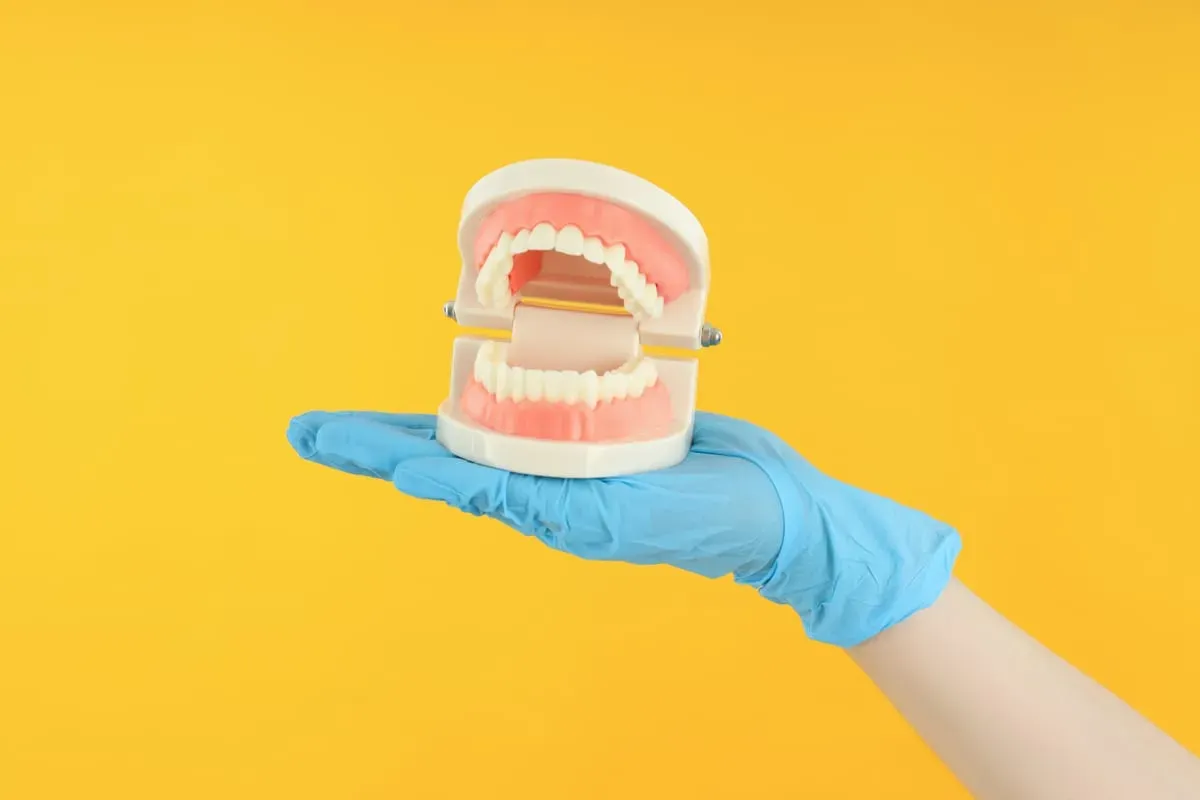
Losing one or more teeth is more common than most people realize, and it doesn't just happen with age. Injury, decay, gum disease, and genetics can all lead to tooth loss at nearly any stage of life. Whatever the cause, the good news is that modern dentures offer a reliable, comfortable, and natural-looking way to restore a full, functional smile.
Dentures have come a long way from the bulky, ill-fitting appliances many of us picture. Today's designs are custom-crafted using detailed impressions and advanced materials that mimic the look of natural gum tissue and teeth, while fitting more securely than ever before. Whether you're missing a single tooth or need a full replacement for an entire arch, there's a denture solution tailored to your situation.
In this guide, we'll walk through the different types of dentures available, what the fitting process looks like, how to care for them, and answers to the questions our patients ask most often. Our goal is to help you feel informed and confident as you consider your tooth-replacement options.
Understanding the Different Types of Dentures
Not all dentures are created equal, and choosing the right type depends on how many teeth you're missing, the health of your remaining teeth and gums, and your personal preferences for comfort and stability. Your dentist will evaluate your oral health and recommend the option that best fits your needs and lifestyle.
Complete dentures replace an entire arch of teeth, either upper, lower, or both, and rest directly on the gums. Partial dentures, on the other hand, fill in gaps left by a few missing teeth while remaining natural teeth are still present, and they typically attach to those teeth with discreet metal or acrylic clasps. There are also implant-supported dentures, which anchor to dental implants placed in the jawbone for significantly improved stability and chewing power.
- Complete Dentures: Used when all teeth in an arch are missing; can be conventional (placed after healing) or immediate (placed the same day teeth are removed).
- Partial Dentures: Ideal for patients with several remaining healthy teeth, filling gaps while preventing shifting of existing teeth.
- Implant-Supported Dentures: Snap onto or are permanently fixed to dental implants for a much more secure, stable fit.
- Immediate Dentures: Placed right after tooth extraction so patients are never without teeth, with adjustments made as gums heal.
What Happens During the Fitting Process
Getting fitted for dentures is a multi-step process designed to ensure the final result feels natural and functions well. It typically begins with a comprehensive exam, including X-rays, to assess the condition of your jawbone, gums, and any remaining teeth. From there, your dentist will take precise impressions of your mouth, which serve as the foundation for creating a custom denture mold.
Once the impressions are complete, a dental lab crafts a trial denture using wax or a resin model. During a follow-up visit, you'll try this model on so your dentist can check the fit, bite alignment, and appearance before the final version is manufactured. This step is important because small adjustments to shape, color, and positioning can make a significant difference in comfort and how natural your smile looks.
After the final dentures are fabricated from more durable acrylic or a combination of materials, you'll return for a fitting appointment. Your dentist will check for pressure points, confirm your bite feels even, and make any necessary refinements. It's common to need one or two additional adjustment visits in the weeks that follow as your mouth adapts to the new appliance.
Adjusting to Life With New Dentures
It's completely normal for new dentures to feel a bit strange at first. Many patients notice increased saliva production, minor soreness, or a slight change in speech during the first few weeks. These sensations are your mouth's way of adapting to a new object, and they generally improve significantly within a month as the muscles of your cheeks and tongue learn to hold the denture in place.
Tips for a Smoother Transition
Eating with new dentures takes practice. Starting with softer foods cut into small pieces, chewing slowly, and distributing food evenly on both sides of your mouth can help you build confidence. Speaking may also feel different initially; reading aloud or practicing tricky words at home can speed up the adjustment period considerably.
If soreness, slipping, or irritation persists beyond a few weeks, don't assume that's just how dentures feel. Persistent discomfort is often a sign that a minor adjustment is needed, and your dentist can typically resolve it quickly during a short office visit.
Daily Care and Maintenance Tips
Proper daily care keeps dentures functioning well and looking their best for years to come. Because dentures are made from materials that can be scratched, warped, or stained if handled improperly, a consistent care routine matters just as much as it does with natural teeth.
- Rinse After Eating: Remove food particles by rinsing dentures under running water after meals.
- Brush Daily: Use a soft-bristled denture brush and non-abrasive cleanser to remove plaque without scratching the surface.
- Soak Overnight: Keep dentures moist in water or a denture-soaking solution to prevent warping.
- Handle With Care: Clean over a folded towel or basin of water in case they slip from your hands.
- Keep Up Checkups: Regular dental visits allow your dentist to check fit and catch issues early.
How Much Do Dentures Cost, and How Long Do They Last?
Denture costs vary widely depending on the type you choose, the materials used, and whether implants are involved. Basic full or partial dentures tend to be the most budget-friendly option, while implant-supported dentures represent a larger investment due to the surgical component and the added stability and longevity they provide. Many dental insurance plans offer at least partial coverage for dentures, so it's worth reviewing your benefits or asking our team to help verify coverage before treatment begins.
In terms of lifespan, most conventional dentures last between five and ten years with proper care, though this can vary based on how well they're maintained and how much your jawbone and gums change over time. Because bone and gum tissue naturally shift after tooth loss, it's common for dentures to need periodic relining or adjustment to maintain a comfortable, secure fit.
Investing in quality materials and staying consistent with checkups can meaningfully extend the useful life of your dentures. Skipping maintenance or continuing to wear dentures that no longer fit well can lead to sore spots, bone loss, and difficulty eating, so it's always better to address fit issues sooner rather than later.
Key Takeaways
- Dentures come in several forms - complete, partial, implant-supported, and immediate - each suited to different needs.
- The fitting process involves impressions, a trial fitting, and follow-up adjustments to ensure comfort and function.
- An adjustment period of a few weeks is normal; persistent soreness usually means a fit adjustment is needed.
- Daily cleaning and overnight soaking help dentures stay hygienic and structurally sound.
- Cost and lifespan vary by denture type, but routine checkups help maximize both value and comfort.
Frequently Asked Questions
Can I eat normally with dentures?
Yes, most patients return to a wide variety of foods once they've adjusted, though very hard, sticky, or chewy foods may still require extra caution. Cutting food into smaller pieces and chewing evenly on both sides typically helps a great deal in the early weeks.
Will people be able to tell I'm wearing dentures?
Modern dentures are crafted to closely match the color, shape, and translucency of natural teeth and gums, making them far less noticeable than older designs. A well-fitted denture, properly shaped and shaded, should blend naturally with your smile.
Do I need to remove my dentures every night?
Removable dentures generally should come out at night to give your gums a chance to rest and to allow the denture to soak, which helps it retain its shape. Implant-supported fixed dentures, however, may be designed to stay in place continuously - your dentist will let you know what's appropriate for your specific appliance.
What if my dentures start to feel loose over time?
Looseness is common as the jawbone and gum ridge naturally change shape over months and years. Rather than living with a loose fit, schedule an appointment - your dentist can often reline or adjust the denture to restore a secure, comfortable fit.
Are implant-supported dentures worth the extra cost?
For many patients, yes - implant-supported dentures offer significantly improved stability, chewing power, and bone preservation compared to traditional removable dentures. Whether they're the right choice depends on your oral health, budget, and goals, which is something your dentist can help you evaluate during a consultation.
Finding the Right Fit for Your Smile
Dentures remain one of the most trusted and effective solutions for restoring a complete, confident smile after tooth loss. With today's range of options - from traditional removable dentures to implant-supported designs - there's a solution suited to nearly every situation, budget, and lifestyle.
The key to a comfortable, long-lasting result lies in careful planning, a precise fitting process, and consistent care once your dentures are in place. If you're exploring your options or noticing changes in the fit of dentures you already wear, an evaluation with your dentist is the best next step toward restoring both function and confidence in your smile.